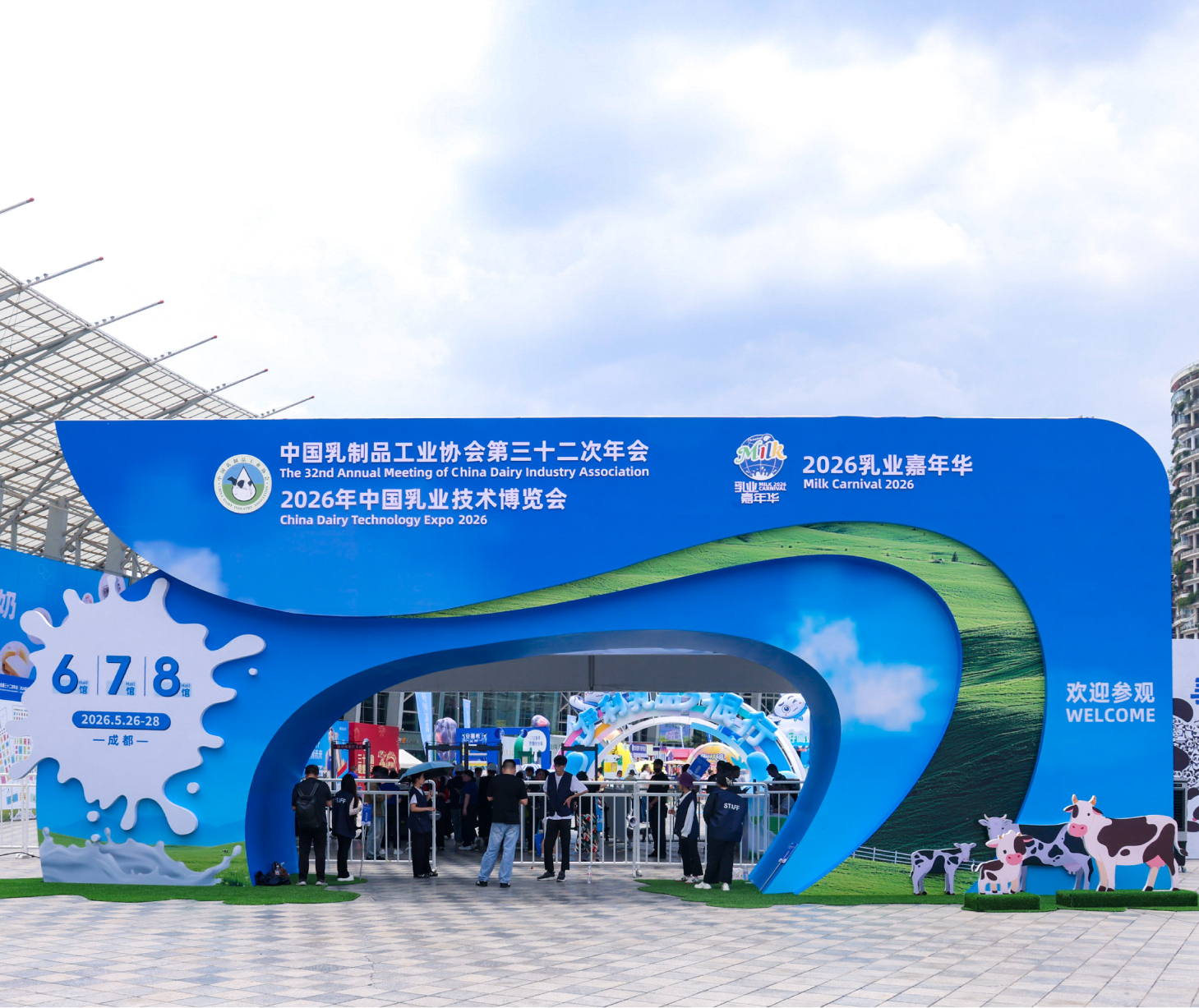
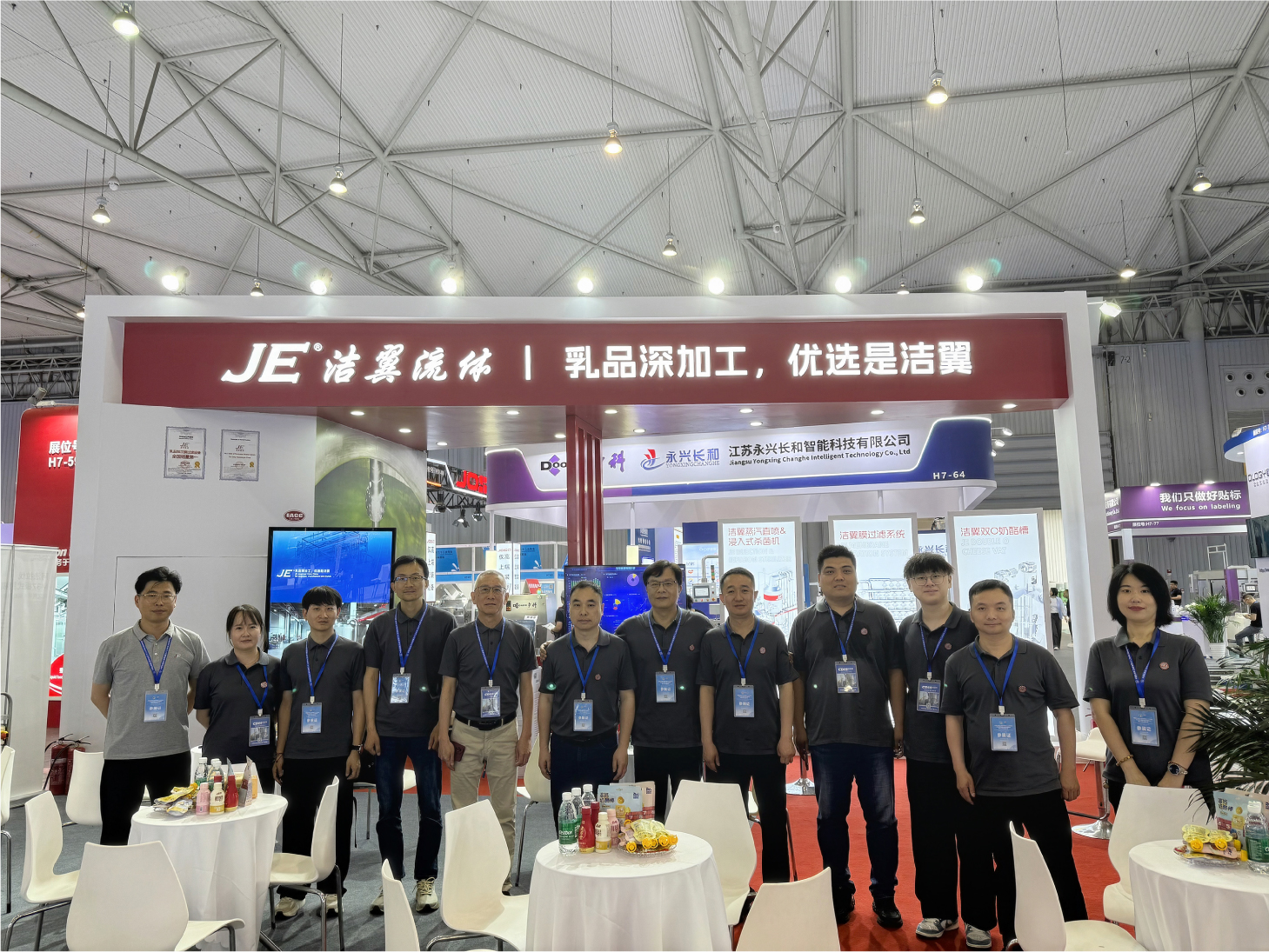
From May 26 to 28, JE Flow successfully participated in the 32nd Annual Conference of China Dairy Association & China Dairy Industry Technology Expo 2026. The event was a great success!
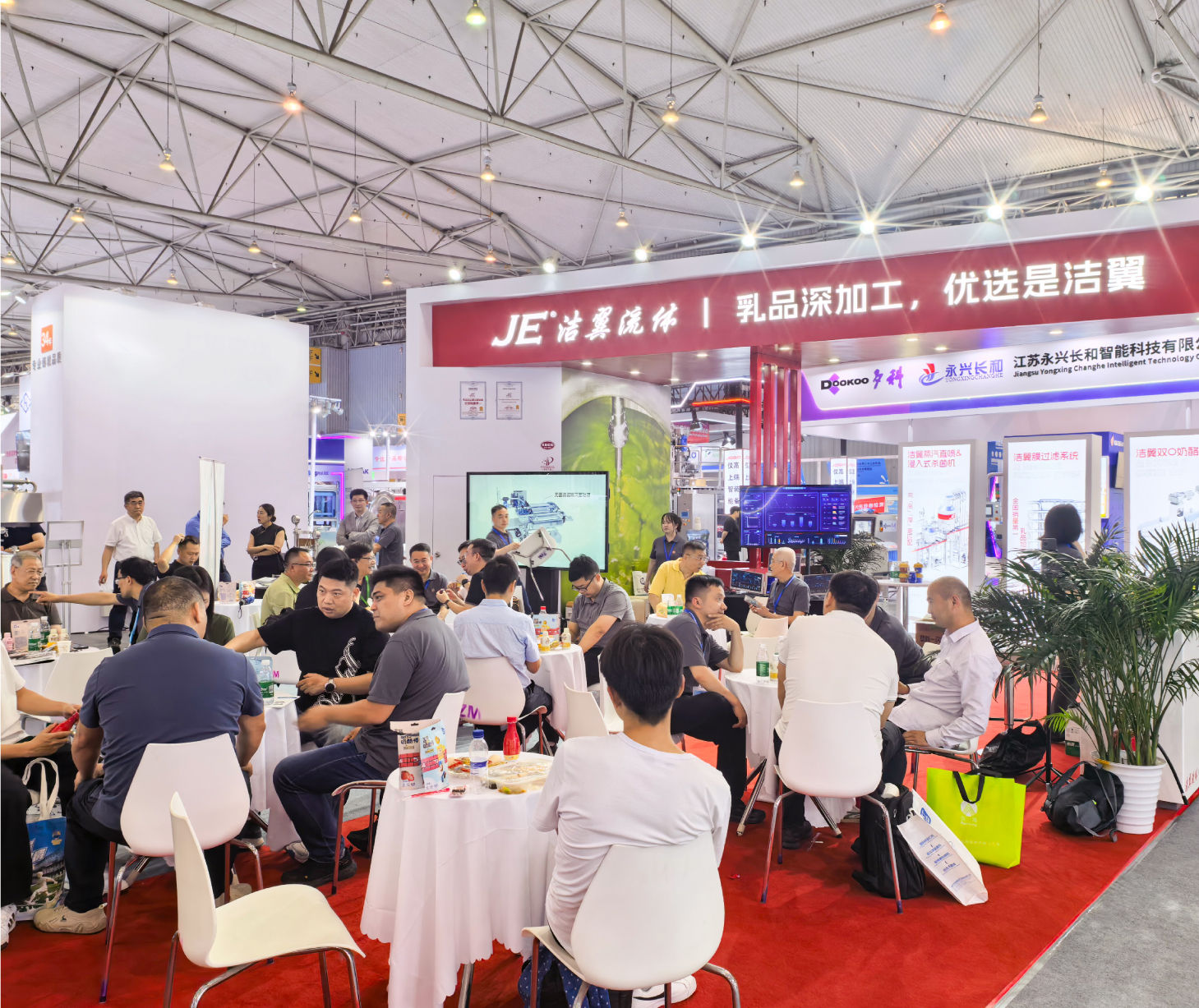
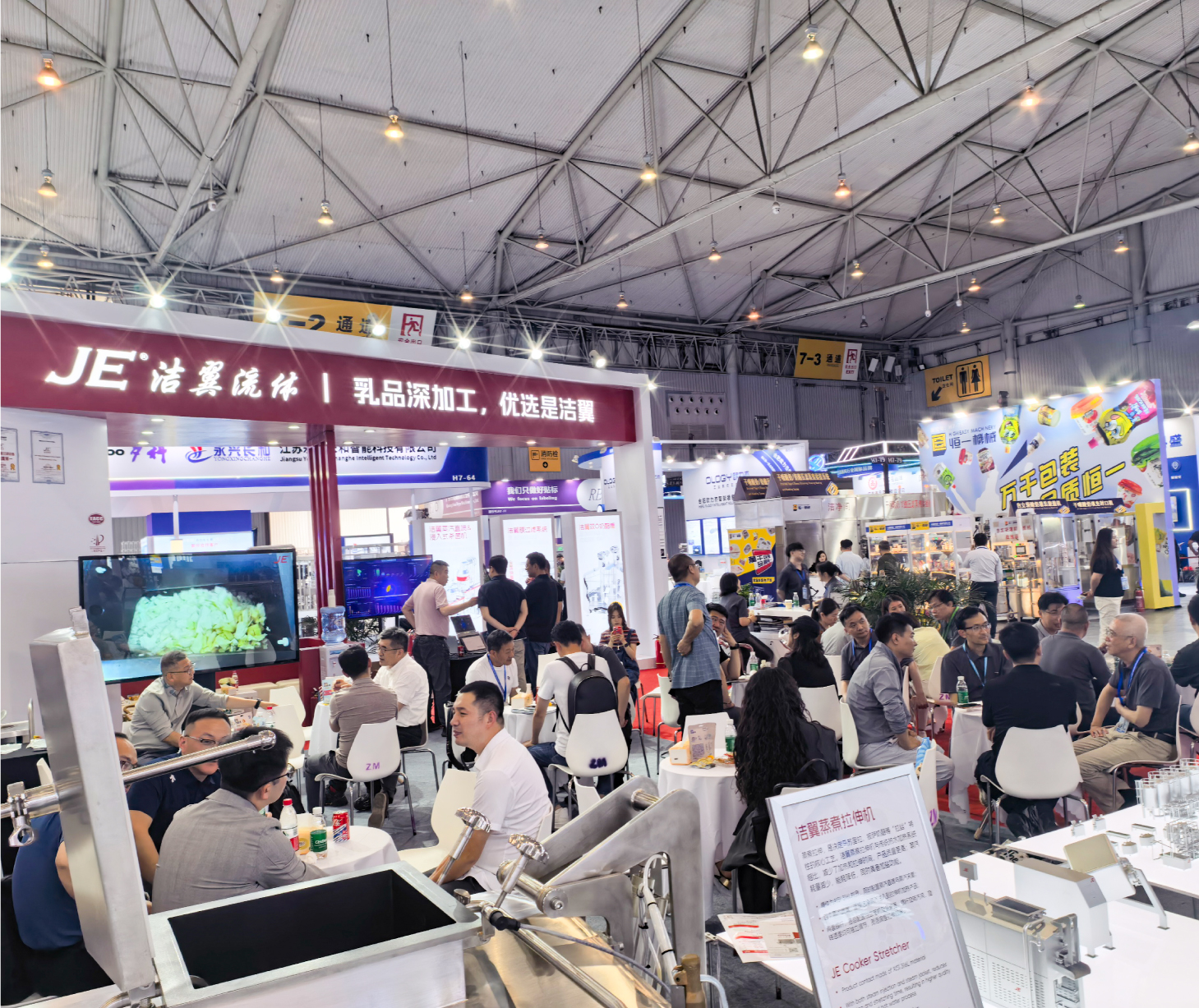
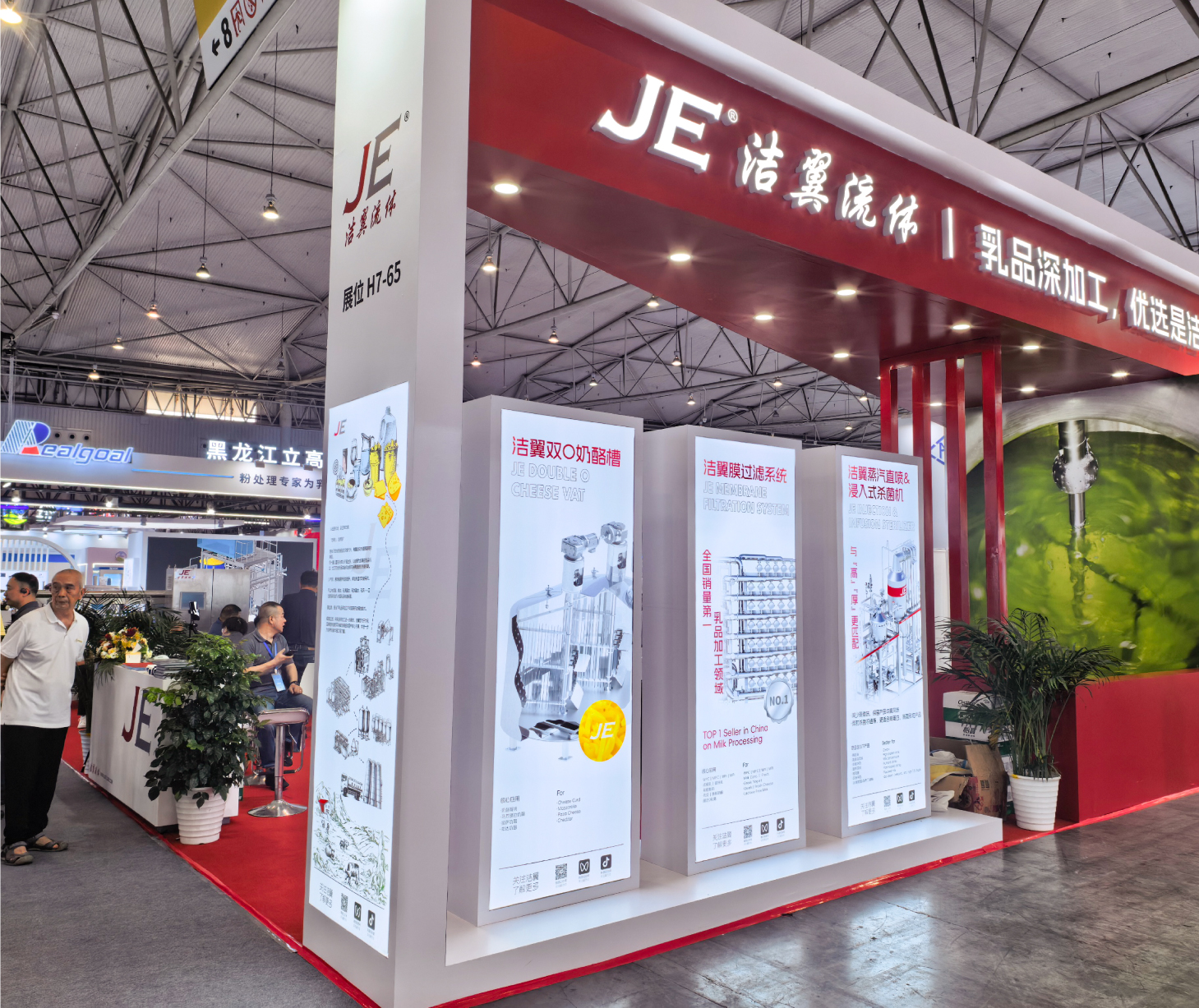
On the morning of May 28, Ye Junhua, Technical Director of JE Flow Technology (Shanghai) Co., Ltd. (JE Flow), delivered a special report titled Membrane Filtration and Dairy Deep Processing at the "Four New Products & Technologies" Launching Forum of the 32nd Annual Conference of China Dairy Association and 2026 China Dairy Industry Technology Expo. Facing industry experts and peers, he shared JE Flow’s innovative membrane separation technologies and practical solutions for high-value dairy deep processing.
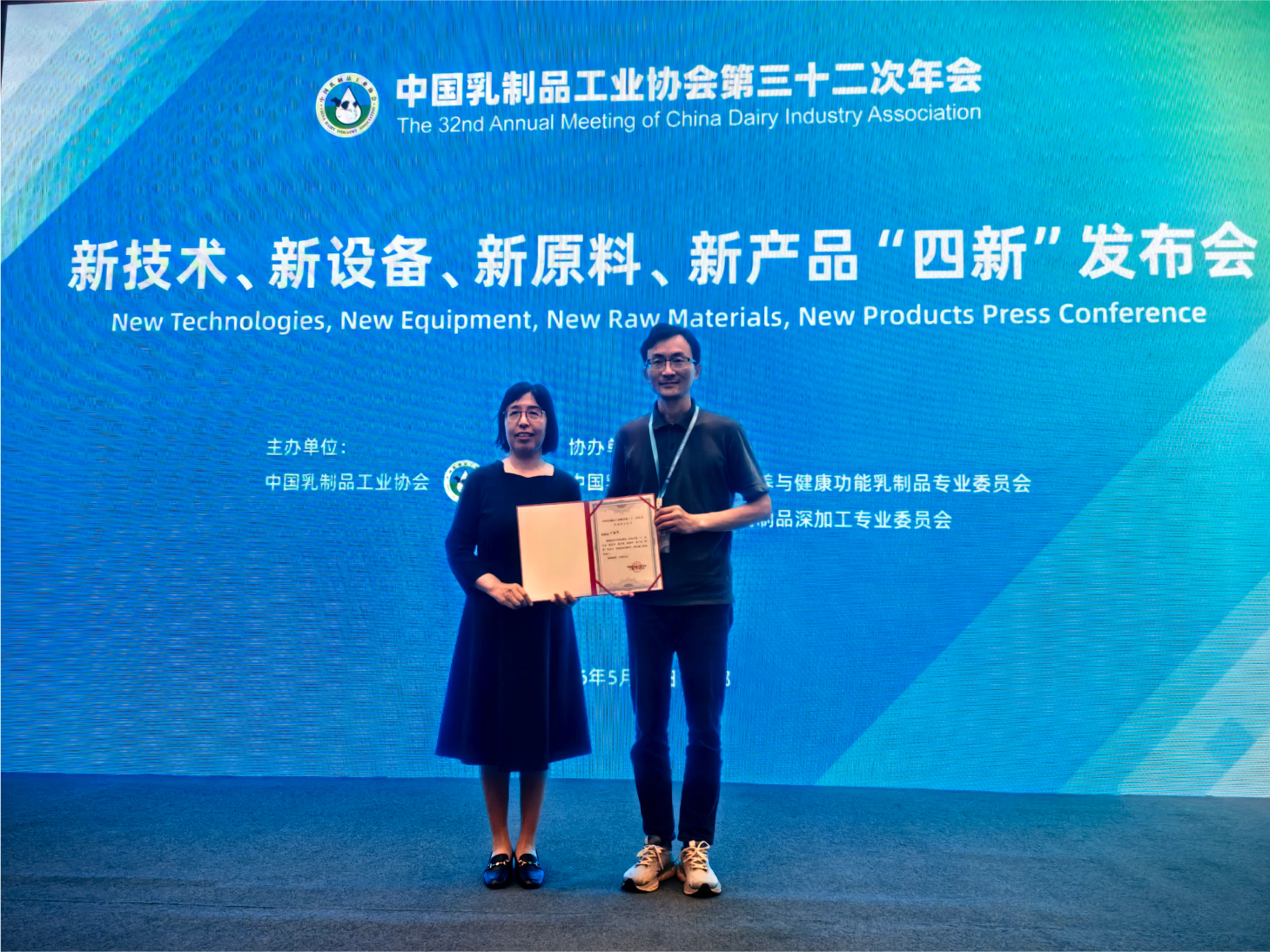
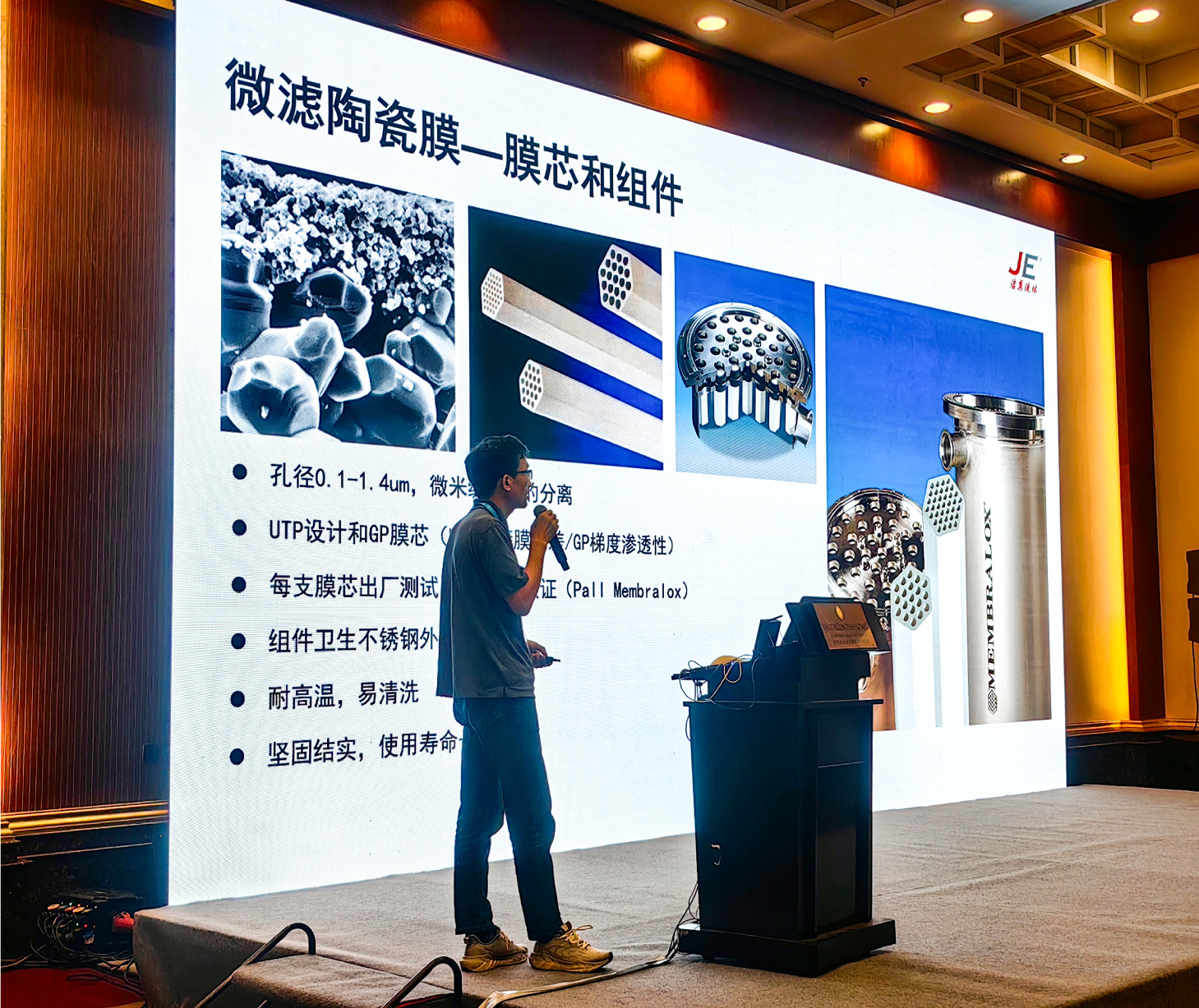
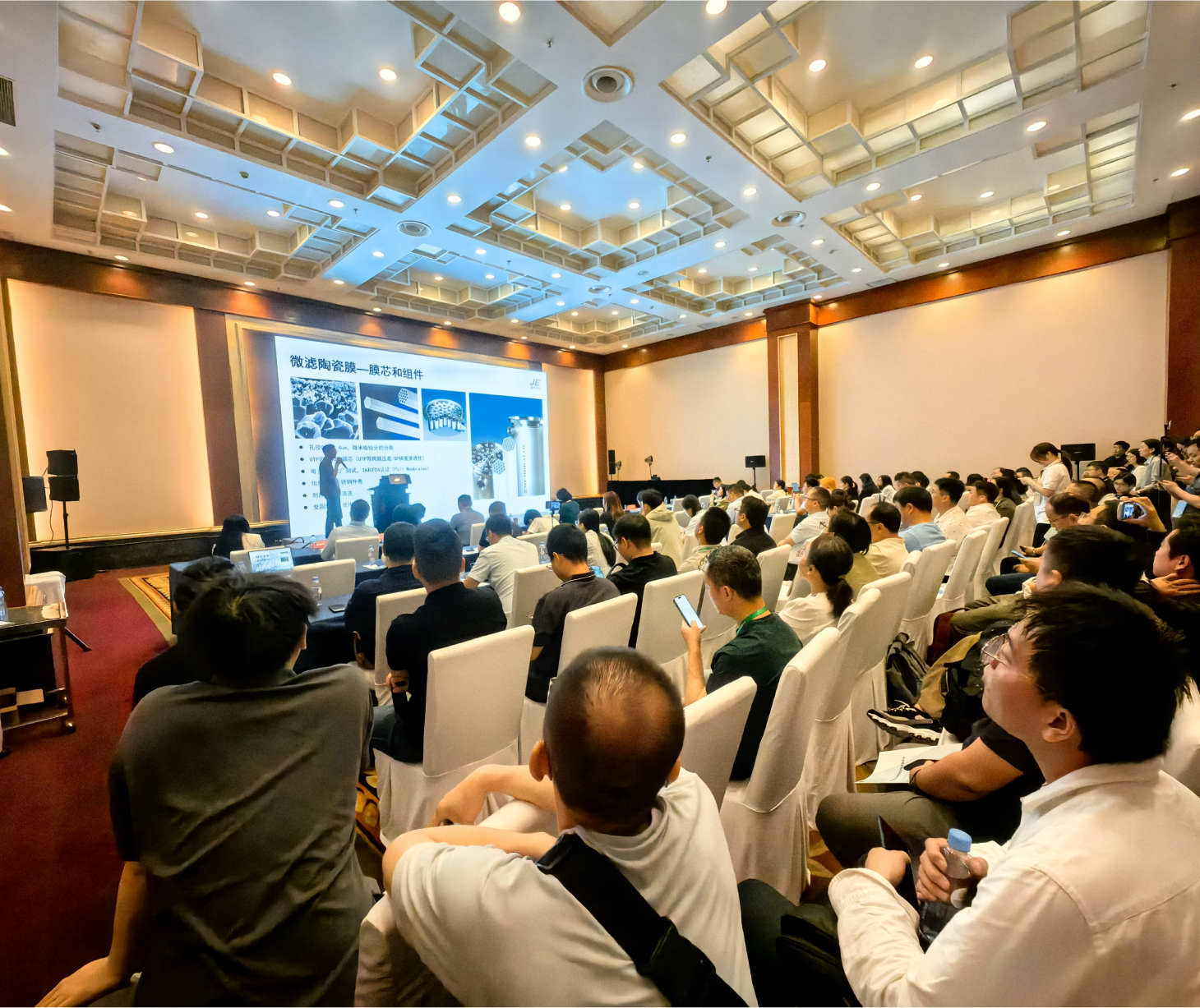
The report shared insights into the mainstream membrane filtration (membrane separation) technologies currently available in the market, key equipment, and several major deep-processing pathways centered on membrane filtration. In the direction of precision purification through membrane filtration, we have witnessed breakthroughs achieved by domestically manufactured membrane filtration equipment in the following two key areas.
First, “Non-Thermal” Concentration — Nanofiltration as a Total Solids Enhancement Solution Before Drying
In the further purification and concentration of premium dairy protein powders, including Milk Protein Concentrate (MPC) and Whey Protein Concentrate (WPC), substantial progress has been made in the localization of nanofiltration systems as a green and non-thermal concentration solution.
In fact, research on nanofiltration concentration has been conducted globally for many years. Below are several industry findings and conclusions:
1.Dairy proteins concentrated through nanofiltration processes achieved a comprehensive sensory evaluation score of 92.8/100 in terms of color, texture, aroma, and taste, outperforming products concentrated through evaporation (83.5/100). Retention of flavor compounds increased by nearly 30% [1]
2.From the perspective of nutrient retention, the nanofiltration process demonstrates significantly higher vitamin C retention compared with conventional evaporation processes.
3.Nanofiltration better preserves calcium (Ca) and magnesium (Mg) ions, while partially removing sodium (Na)and potassium (K) ions [1] [2] [3]
4.From the perspective of application quality in premium dairy powder ingredients, milk protein powders produced through nanofiltration exhibit superior protein structural integrity, performing better in terms of rehydration, solubility, emulsification, and application stability throughout shelf life [1] [4]
Taking JE’s practical engineering projects as an example, JE nanofiltration systems are currently capable of concentrating whey solutions with approximately 4% total solids to around 25% total solids, while simultaneously removing 40%–48% of salts. This results in higher-grade products while significantly reducing energy consumption compared with conventional evaporation processes.
JE high-pressure nanofiltration systems are capable of concentrating skim milk and raw milk to a total solids content of 35%–40%. A single system can effectively replace conventional evaporators, representing an important alternative solution as dairy processing technologies continue to move toward greener, more efficient, and higher-quality production.
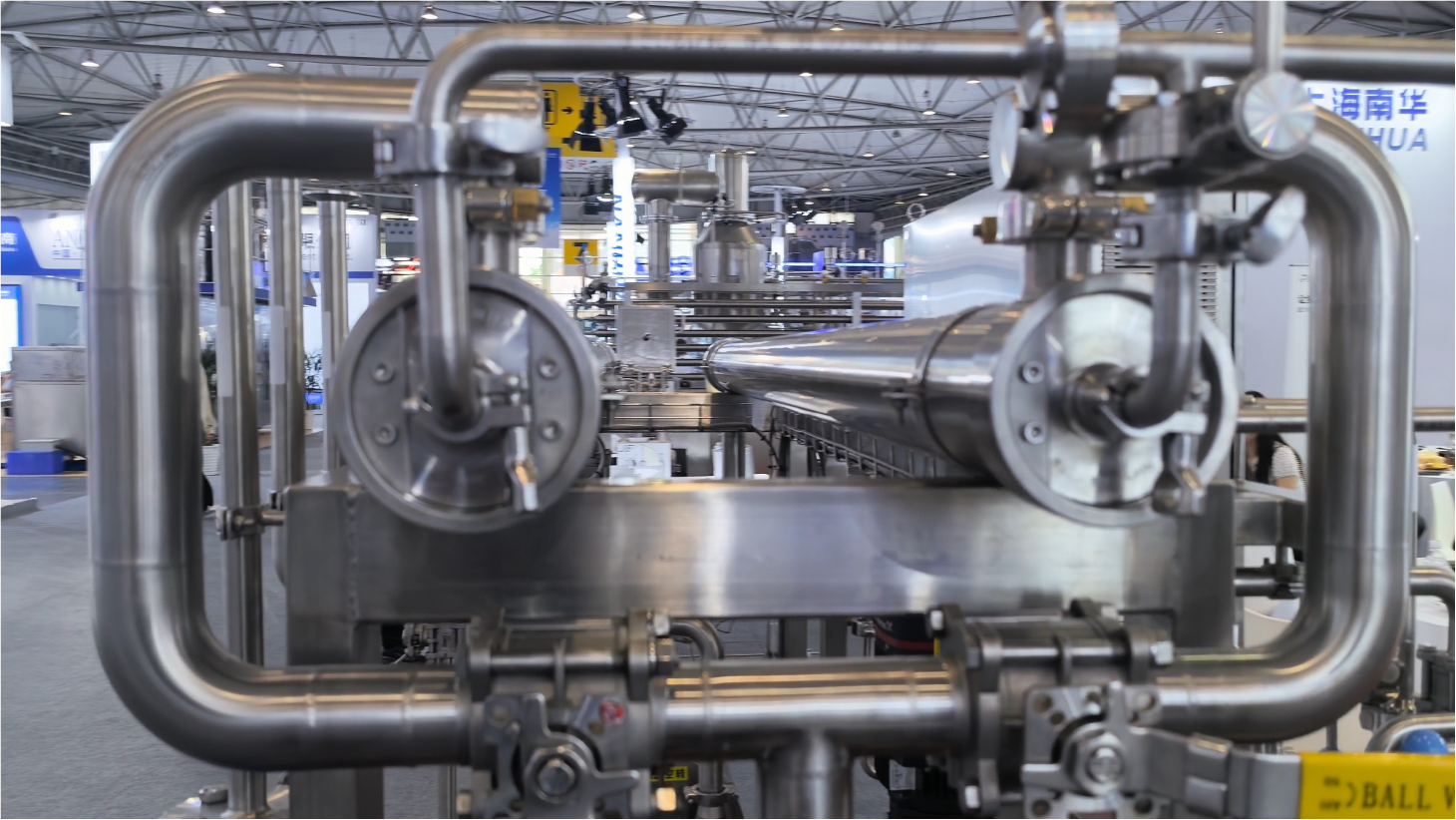
The image above shows a JE high-pressure nanofiltration system.
Second, Flexible Processing Module Solutions for Deep Dairy Protein Processing
In today’s Chinese dairy market, one product has become impossible to ignore: WPC80. Since 2025, the global market has experienced a structural shortage of both WPC80 and WPI. According to industry forecasts, the global dairy protein supply gap is expected to reach at least 30,000 tons over the next five years — equivalent to the total demand of the entire Chinese market. At present, domestically produced dairy protein ingredients account for less than 10% of China’s total demand. Such shortages represent significant development opportunities for locally produced dairy protein ingredients.
Cheese production is closely linked to whey protein manufacturing. Within the mainstream global product structure, the co-production of cheese and whey protein remains the primary pathway for manufacturing deep-processed dairy proteins.
In response to the surging demand for dairy proteins, what approach can dairy enterprises adopt to rapidly establish production capacity while building a sufficiently flexible supply chain and product balance matrix to cope with long-term fluctuations in market supply and demand? JE offers the following approach.
• Natural Cheese + Whey Co-Production Pathway
For dairy companies that already operate projects involving natural cheese or cheese curd production, further processing of whey ingredients can be developed on this basis. In the production of dairy protein ingredients, it is recommended to establish a modular system to enable greater production flexibility in the future. Taking JE’s WPC 40 | 60 | 80 co-production solution as an example:
By dividing the first-stage ultrafiltration system into two separate processing streams, a more flexible multi-grade WPC co-production solution can be achieved. During the early stages of production, when full capacity utilization has not yet been reached, this approach helps reduce equipment operating costs while enabling a multi-stage purification model to better respond to changing market demands.
On this basis, the addition of an integrated nanofiltration and reverse osmosis system (NF + ROP) enables further processing of lactose liquid while recovering approximately 70%–80% of process water for reuse in the CIP system as cleaning water. This significantly reduces wastewater treatment pressure on the factory and supports customers in building green, near-zero discharge manufacturing solutions.
• Direct Milk Protein Fractionation Pathway
This approach adopts membrane separation technology to obtain native whey protein and native casein directly from milk. For customers without plans for natural cheese or cheese curd production, but who still intend to produce whey protein, JE has developed an innovative, scalable production pathway based on membrane protein separation.
The core technical principle is based on the molecular weight differences between casein and whey proteins, enabling graded protein separation through high-precision membrane filtration. Following effective experimental validation, JE’s MFF microfiltration system is capable of directly separating the majority of whey proteins from skim milk, producing highly pure native whey protein liquid and native casein-enriched milk.
The whey protein liquid produced through this process represents one of the highest-quality whey protein sources currently achievable through industrial processing. Since it does not undergo enzymatic coagulation, acid coagulation, or similar treatments, the whey quality remains exceptionally high. Its applications extend beyond WPC production, making it an ideal raw material for the advanced production of WPI.
As for its by-product — casein liquid (casein-enriched milk) — what are the potential utilization pathways? Based on current market demand and innovation trends, JE proposes the following solutions:
1.Casein is a naturally slow-release protein, making it suitable for the production of neutral dairy beverages or fermented dairy products requiring sustained protein release, such as sports nutrition products designed for gradual protein absorption.
2.As an ingredient for adjusting the ratio of casein to whey protein, it can be sold as cheese milk, used directly, or partially substituted for protein ingredients commonly used in cheese processing, such as rennet casein and sodium caseinate.
3.As a raw material for the production of micellar casein.
4.Used directly or blended with a certain proportion of skim milk as a raw material for producing modified MPC.
5.Direct spray drying for the preparation of cheese powder ingredients.
6.Through enzymatic hydrolysis, it can be converted into casein hydrolysate peptides, a premium functional dairy-derived bioactive ingredient. According to publicly available information, casein peptides have demonstrated positive effects in stress regulation and sleep quality improvement. Relevant health function certifications related to stress management and sleep improvement have already been granted in countries such as Australia and South Korea, while in China, they are currently regulated as conventional food ingredients.
In terms of equipment solutions, JE has already developed mature manufacturing capabilities for MFF systems with a processing capacity of up to 30T/h for casein and whey protein separation, providing reliable hardware support for the rapid implementation and large-scale production of such processing solutions.
• Whole Milk Protein Concentration and Lactose-Free Solution
This refers to a membrane-based high-protein, lactose-free solution. Beyond the pathways of natural cheese and whey co-production and casein/whey protein separation and enrichment, JE Fluid has introduced a third dairy protein solution: Lactose-Free Milk Protein Concentrate (Lactose-Free MPC).
Through an integrated ultrafiltration and nanofiltration system, JE Fluid is able to enrich milk protein to a concentration range of 4.0%–16.0%, while reducing lactose content to 0.15%–0.5%, using only membrane filtration technology without any enzymatic hydrolysis. The result is a truly zero-addition, lactose-free milk product. (According to Chinese national standards, a product may claim “lactose-free” when lactose content is ≤0.5g/100g (solid) or ≤0.5g/100mL (liquid).)
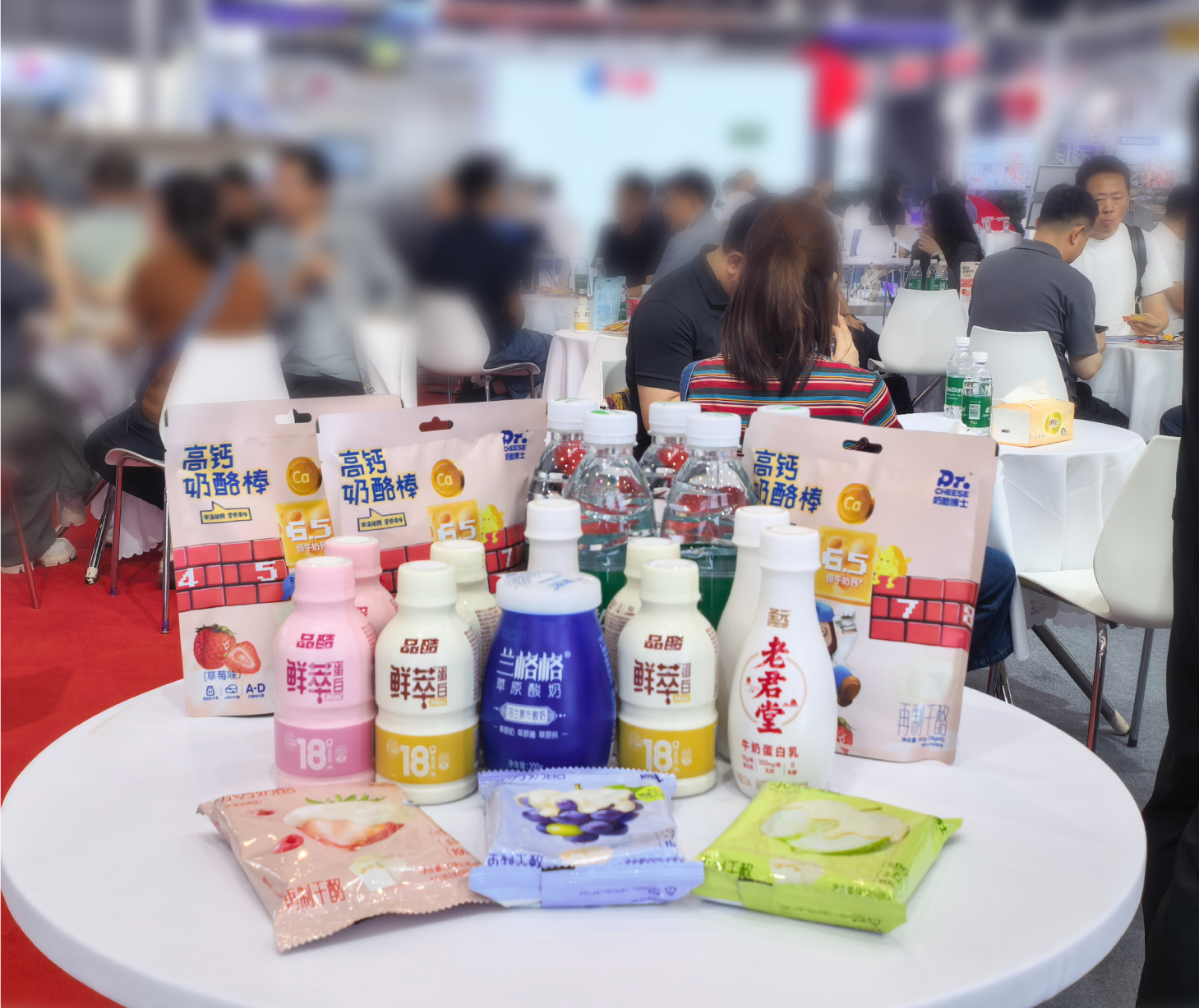
The key innovation of this process lies in its reliance solely on low-temperature physical separation, without generating phase changes or using traditional lactase enzymatic treatment, thereby producing a high-protein milk solution with zero lactose and zero total sugar. Compared with enzymatic hydrolysis processes, this approach effectively reduces both total sugar content and sweetness, offering new possibilities for premium dairy-based nutritional products, foods for special medical purposes (FSMP), special dietary nutrition, and sports nutrition. At present, the technology has already been applied in related products developed by Shengyuan Laojuntang.
Conclusion
New stories in China’s dairy industry are unfolding at an accelerating pace. The shift toward “eating less, but eating better” increasingly reflects evolving dietary behaviors, consumption patterns, and health expectations. “Less” and “better” signify a growing demand for higher nutritional density, precision manufacturing, and functional nutrition.
Against the backdrop of increasingly evident trends toward low-temperature processing and deep processing in China’s dairy industry, the advancement of membrane filtration (membrane separation) — as a representative non-thermal technology — has demonstrated substantial potential to transform dairy production through process innovation. It is becoming an indispensable strategic technology for advanced dairy processing.
At the same time, the dairy industry — long centered on protein as its core value proposition and health as its key narrative — is undergoing a critical period of category evolution and consumer reshaping. We are also becoming increasingly aware that raw material security and supply-chain independence have emerged as defining challenges of our time.
Whey protein is only one example. Through it, we can observe a broader transition from competition at the consumer brand level to competition across the entire industry chain, signaling a new stage of industrial development.
As the No.1 brand in membrane filtration equipment sales for dairy processing in China [5], JE Fluid will continue to provide innovation-driven, efficiency-oriented, and value-enhancing service solutions, helping customers build more flexible supply chains, reduce unnecessary investment waste, and work together with the market to develop a dairy processing model better suited to China’s evolving dairy landscape.
Sources:
[1] Cao, Jialu | Wang, Geng | Wu, Shaozong | Zhang, Wei | Liu, Chang | Li, Haimei | Li, Yan | Zhang, Liebing, Comparison of Nanofiltration and Evaporation Technologies on the Storage Stability of Milk Protein Concentrates [J]. Dairy Science & Technology, 2016, Volume 96, Issue 1, pp. 107–121. ISSN 1958-5586.
[2] M. F. Sayel, Nahla Tariq Khalid, Khalid Turki Rashid, Comparative Study of Nanofiltration and Evaporation Technologies on Milk Concentration [J]. Earth and Environmental Science, 2023, No. 11, p. 112022.
https://www.nalvmo.cn/xwzx/gsxw/951.html
[3] http://paper.cfsn.cn/content/2025-01/23/content_170999.htm
[4] Wang, Hong | Wang, Yunna | Cao, Jialu | Yuan, Dongdong | Chen, Liankun | Han, Jie | Li, Yan | Zhang, Liebing, Short Communication: Effects of Nanofiltration and Evaporation on the Gel Properties of Milk Protein Concentrates with Different Preheat Treatments [J]. Journal of Dairy Science, 2018, Volume 101, Issue 6, pp. 4977–4982. ISSN 0022-0302.
[5] Data Source: Shangpu Consulting Group. Based on market research and a comparative analysis of the nationwide market performance (excluding Hong Kong, Macao, and Taiwan) of dairy membrane filtration equipment manufacturers across all sales channels, the conclusion was reached that JE ranks No.1 in national sales of membrane filtration equipment for dairy processing in China.
For the purpose of this statement, membrane filtration equipment for dairy processing refers to specialized hygienic fluid-processing equipment based on membrane separation technology, used for the physical sterilization, separation, concentration, or compositional adjustment of milk and other dairy products.
Statistical Period: January 1, 2025 – December 31, 2025.
Research Completion Date: April 2026.


 +86 13651600783
 Current location:

