Over the past two years, the drinks industry has undergone a wave of quality upgrades: the plant-based drinks sector has continued to expand, whilst premium and craft beers have maintained their growth; ‘clean label’, short-shelf-life fresh products and natural flavours have become key factors driving consumer purchases. However, one hidden technical bottleneck has consistently been overlooked—oxygen. Though invisible and intangible, it is quietly eroding the flavour, shelf life and potential for premiumisation of these drinks.

I. Oxidation in Beverages: The Underestimated ‘Flavour Killer’
The damage caused by oxygen to beverages is far more direct than one might imagine.
From the source water and mixing pipes to the headspace in the bottle, oxygen is virtually omnipresent. Once dissolved oxygen enters a beverage, it triggers a series of oxidative reactions: fat oxidation produces a rancid taste; active ingredients such as vitamin C are lost; tea infusions and fruit juices undergo browning; protein systems develop precipitates; and beer develops a cardboard-like or stale flavour.
Milk and dairy products are equally plagued by oxidation issues. Cow’s milk contains unsaturated fatty acids, various vitamins and milk proteins; dissolved oxygen introduced during processing and storage continuously triggers oxidative reactions. During pasteurisation, oxygen promotes the development of ‘heating odours’ and ‘oxidative odours’, destroying the milk’s natural aroma; during storage, a cardboard-like oxidative off-flavour is likely to develop, whilst the stability of the emulsion decreases, leading to separation and protein precipitation. At the same time, heat-sensitive and oxygen-sensitive nutrients such as vitamin C and B vitamins are lost in large quantities; under light exposure, oxygen acts in synergy with light to accelerate deterioration, resulting in changes in colour and flavour.
The characteristics of the raw materials used in plant-based drinks mean they are more prone to oxidation. Soy milk, oat milk and almond milk are rich in unsaturated fatty acids, and legume-based raw materials often contain lipoxygenases (LOX). The three LOX isoenzymes in soya—LOX-1, LOX-2 and LOX-3—account for approximately 1 per cent of the total protein in the seeds. Soaking and grinding disrupt the cellular structure, releasing LOX that was originally separated from the lipids; under aerobic conditions, these enzymes catalyse the oxidation of linoleic acid and linolenic acid, which are then cleaved into C6 and C9 volatile compounds such as hexanal and hexenal—the primary sources of the beany and grassy flavours. Consequently, grinding in an oxygen-free environment and oxygen-controlled processing can reduce these beany flavours.
Beer is another particularly affected product. Dissolved oxygen and oxygen in the headspace during bottling accelerate beer ageing. During storage, aldehydes accumulate due to the presence of oxygen; when levels become too high, they produce undesirable flavours such as cardboard, sweetness and overripe fruit. Premium and craft beers demand extremely high flavour stability; without oxygen control measures on traditional bottling lines, flavour deterioration during the shelf life is almost inevitable.
There are essentially three traditional solutions: adding antioxidants, excessive pasteurisation, and maintaining a cold chain throughout the entire process. However, each has its shortcomings: the addition of antioxidants has limited effectiveness, excessive pasteurisation damages natural flavours, and maintaining a cold chain throughout is costly. Oxidative deterioration, short shelf life and unstable quality—these are precisely the three dilemmas facing the premiumisation of beverages, and they also represent a historic opportunity for deoxygenation systems.

II. Deoxygenation System: Active Oxygen Control for Freshness Preservation
The core principle of deoxygenation systems is to remove oxygen at source.
They utilise technologies such as vacuum deoxygenation, membrane deoxygenation and nitrogen stripping to remove dissolved oxygen from water or materials. The following methods are currently widely used within the industry:
· Dual-vessel vacuum method: Deoxygenation at ambient temperature using a dual-vessel system under vacuum conditions, with or without the injection of an inert gas.
· Membrane separation method: Water deoxygenation at room temperature combining gas stripping with vacuum, based on mass transfer through membranes
· Packed-tower displacement method: Deoxygenation of water by stripping in a packed tower under atmospheric pressure, utilising a degassing tower at ambient temperature or at a heated temperature (72°C) —
· Thermal deoxygenation: Heating water to its boiling point to reduce the partial pressure of oxygen to near zero and cause it to escape; widely used in power stations and boiler rooms.
During the filling stage, nitrogen or carbon dioxide is used to displace oxygen from the headspace, in conjunction with online dissolved oxygen monitoring, to form a closed-loop oxygen control system throughout the process. The use of inert gases creates a protective atmosphere in storage tanks, transfer tanks and during packaging, preventing oxygen from re-entering after deoxygenation. Oxidative reactions are significantly suppressed, allowing the natural flavour, colour and active ingredients of the beverage to be better preserved, whilst significantly extending the shelf life and reducing or even eliminating the need for added antioxidants.
Dairy products represent a particularly important practical application for deoxygenation systems. When applied to milk and dairy products, the core benefits are multifaceted: improved flavour and stability, effective suppression of oxidative off-flavours and heat-induced odours, preservation of the natural fresh milky aroma, and reduced risk of emulsion separation and protein precipitation during storage; it protects nutritional components by reducing the oxidative degradation of vitamin C and B vitamins, thereby retaining more of the original nutrients; simultaneously, by reducing the dissolved oxygen content in the system, the product’s light stability is enhanced, mitigating issues such as discolouration and flavour deterioration caused by exposure to light.
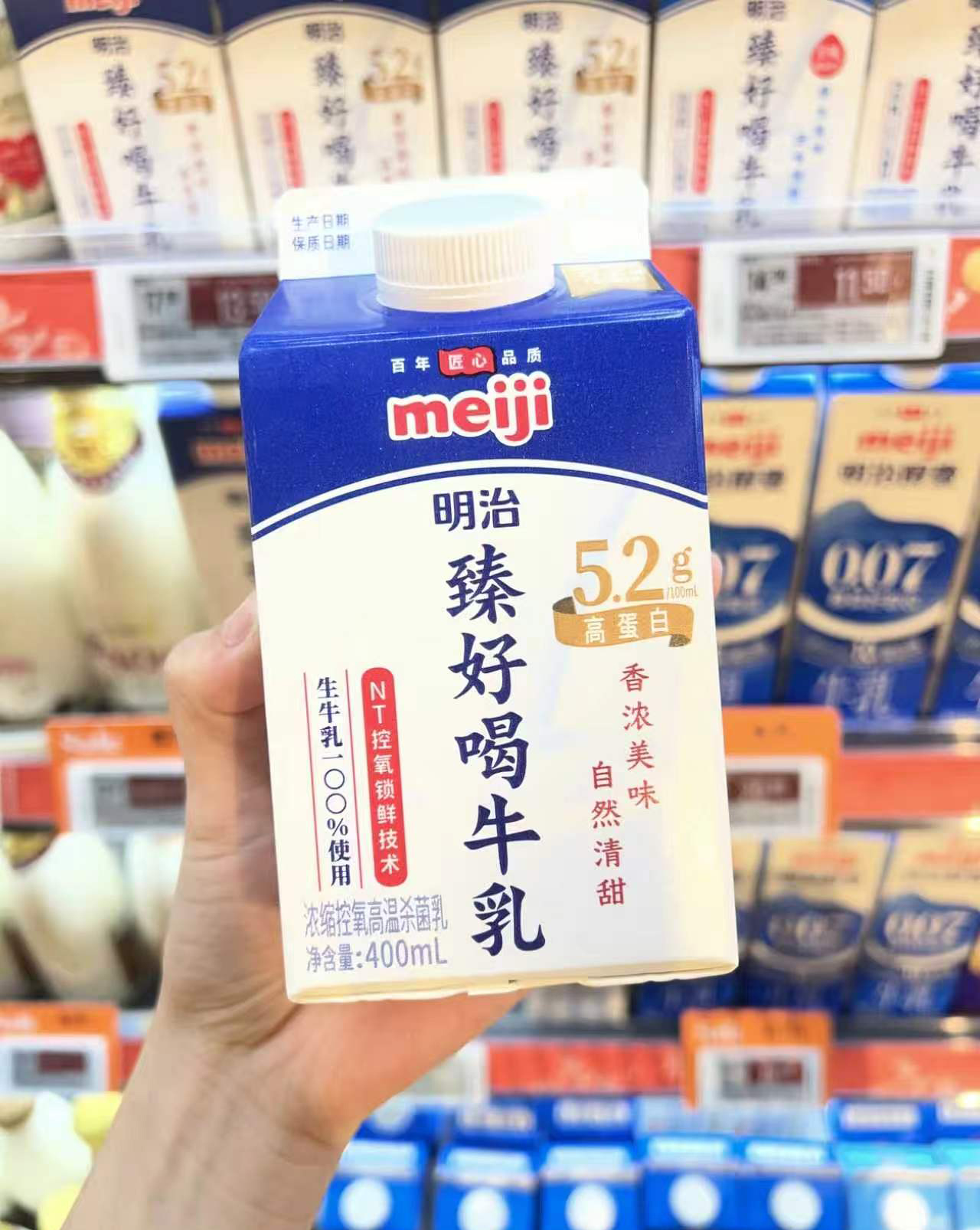
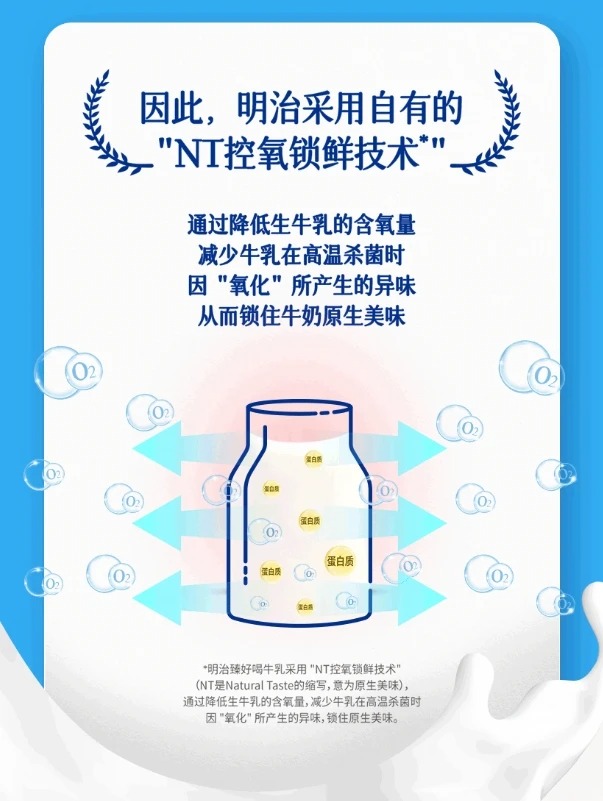
A classic example is Meiji’s ‘Delicious Milk’ from Japan. Meiji introduced and applied its ‘NT Oxygen-Control Freshness Preservation Technology’ (Natural Taste process)—developed and patented in Japan—to launch ‘Meiji Zhen Hao He Milk’ for the Chinese market. This technology reduces dissolved oxygen in raw milk prior to pasteurisation, thereby inhibiting oxidative reactions during the heat treatment process and minimising the development of heat-induced and oxidative off-flavours; publicly available data indicates that, following treatment with this technology, protein oxidation indicators in the milk decreased by 23 per cent.
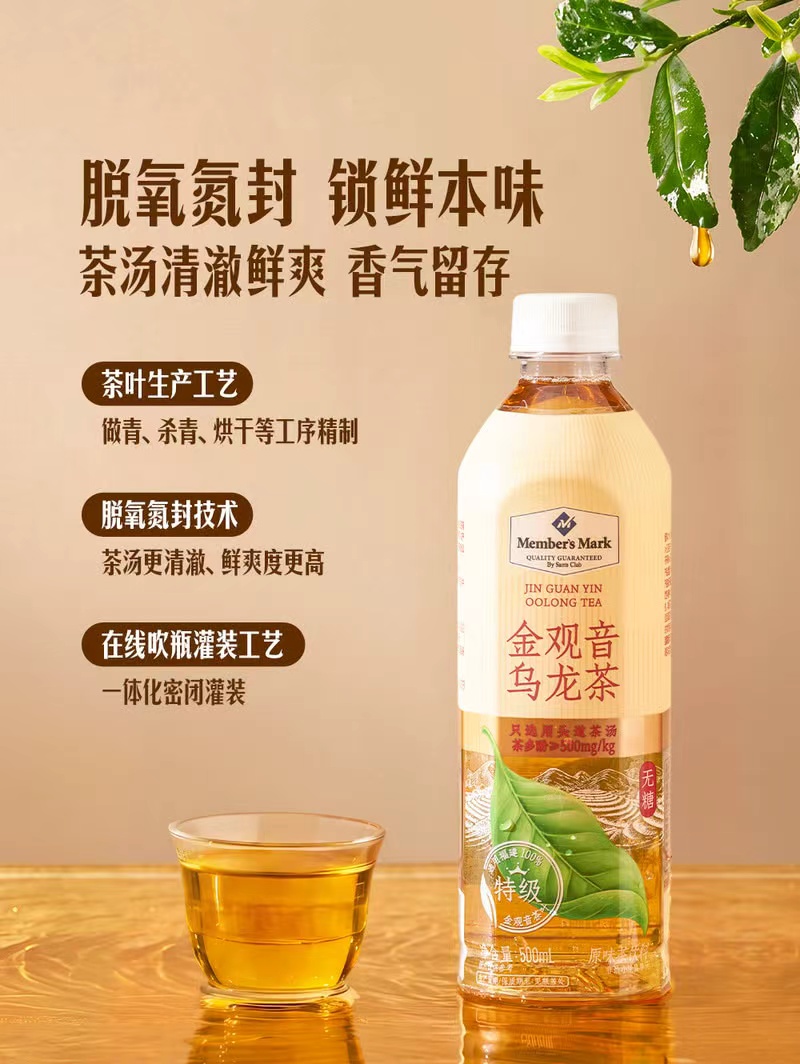
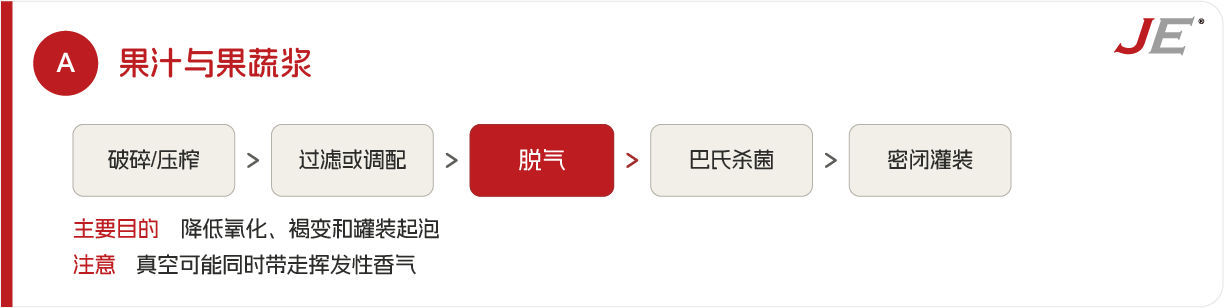
In the sugar-free tea beverage sector, the deoxygenation and nitrogen-sealing process has also become a key differentiating selling point. Sam’s Golden Guanyin Oolong Sugar-Free Whole-Leaf Tea highlights its deoxygenation and nitrogen-sealing process to preserve freshness; it uses only the first infusion of tea liquor. Through the deoxygenation process, it maximises the retention of the natural flavour of the whole tea leaves, achieving a high tea leaf content of ≥8g/L, tea polyphenols of ≥500 mg/kg, and a clean ingredient list free from flavourings. The tea liquor retains its translucent golden-yellow colour, addressing industry pain points such as oxidative browning and loss of aroma, whilst preserving the rich, full-bodied character of the whole-leaf tea within the bottled product. As illustrated in the process flow chart for the tea beverage category, the degassing and deodorisation stages are positioned after blending and before pasteurisation, specifically to minimise aroma loss and the formation of oxidative off-flavours caused by subsequent high-temperature heating; this forms the fundamental technical foundation for the product’s flavour profile.
This capability is particularly crucial for plant-based drinks. Plant-based beverages are highly susceptible to oxidation; deoxygenation systems can reduce oxygen levels throughout the entire process—from blending water and raw material solutions to filling—thereby inhibiting the lipoxygenase pathway, minimising beany and rancid off-flavours, and helping brands produce cleaner, more natural and more stable plant-based products. It can be said that whoever first resolves the issue of oxidation in plant-based products will have a better chance of establishing a quality barrier in the plant-based sector.
The primary application scenarios are already clear: firstly, beverages, including plant-based drinks, tea drinks, fruit juices, protein drinks and sparkling water; secondly, beer, including the preparation of deoxygenated water, high-concentration dilution and headspace oxygen control during filling; and thirdly, dairy products, such as cow’s milk and other liquid dairy products, to achieve simultaneous optimisation of flavour, nutrition and storage stability.

III. Implementation of the deoxygenation system: comprehensive oxygen control throughout the entire process, from water to bottling, without reliance on additives
In terms of process configuration, the deoxygenation system can either be integrated as a standalone unit into an existing production line, or connected in series with water treatment, formulation and filling systems to form a complete oxygen-controlled freshness-preservation production line:
Raw water/formulation water → Deoxygenation → Formulation → Deoxygenation maintenance → Filling → Headspace nitrogen/carbon dioxide displacement → In-line oxygen measurement
The key stages of deoxygenation and filling in the beverage production process are as follows:
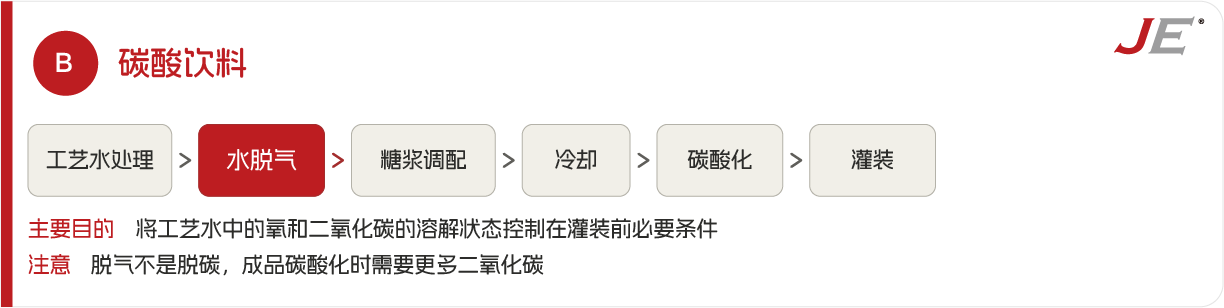
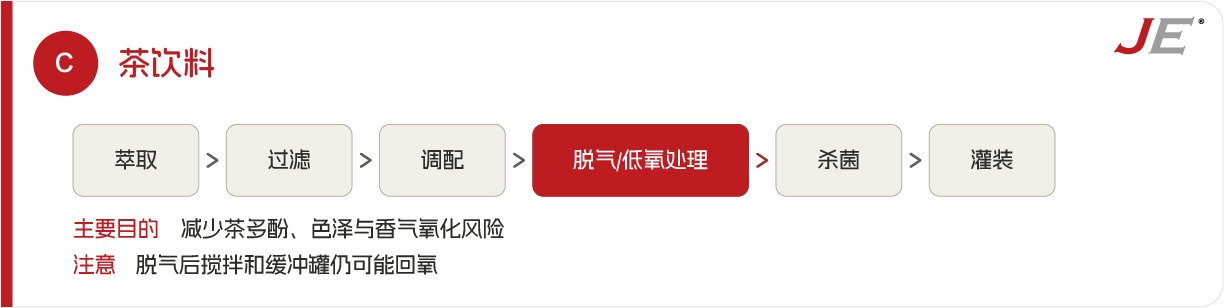
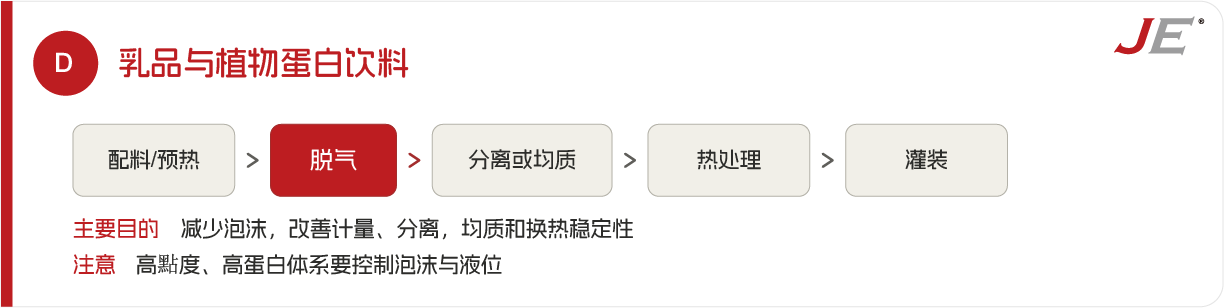
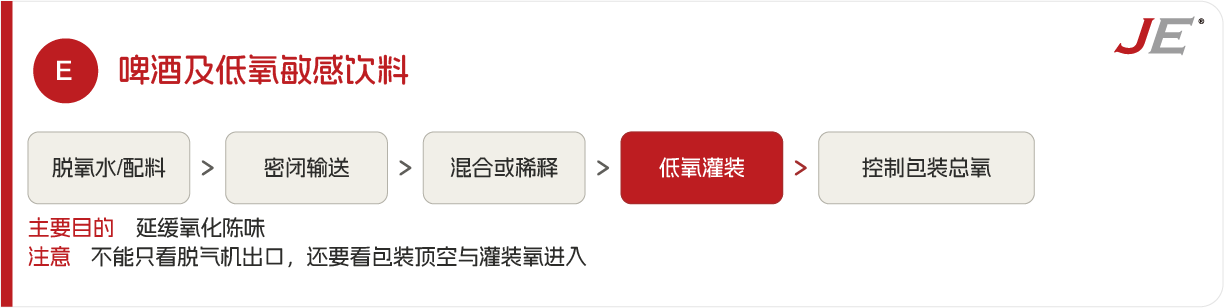
For beverage manufacturers, the deoxygenation system can effectively address the issue of oxidative deterioration in plant-based drinks, tea-based beverages, fruit juices and protein drinks; for dairy companies, this process is used for the pre-treatment of raw milk and the deoxygenation of blending water, reducing dissolved oxygen in the product prior to pasteurisation to prevent the formation of oxidative by-products during the heating stage. Following filling, headspace displacement is carried out to further prevent re-oxygenation, thereby minimising oxidative off-flavours in milk, reducing nutritional loss and enhancing product quality stability throughout the shelf life; For breweries, it can be used for the preparation of deoxygenated water, the dilution of high-concentration brews, and headspace oxygen control on filling lines, thereby reducing off-flavours caused by ageing, stabilising flavour profiles and extending shelf life.
JE Fluid provides deoxygenation systems based on a vacuum plus nitrogen purging process: primarily applied to fluids, with a vacuum range of -0.8 to –0.4 bar, with an operating temperature of approximately 20 °C and a processing capacity of 1,000–70,000 L/h. The system utilises a dual horizontal tank design to enhance degassing efficiency; nitrogen purging, combined with a vacuum pump, can reduce the dissolved oxygen content in water or process fluids to ≤0.5 ppm. The control system utilises a PLC combined with a touchscreen interface, featuring alarm and data logging functions to prevent non-compliant materials from entering subsequent process stages; the equipment is designed in accordance with European EHEDG standards.
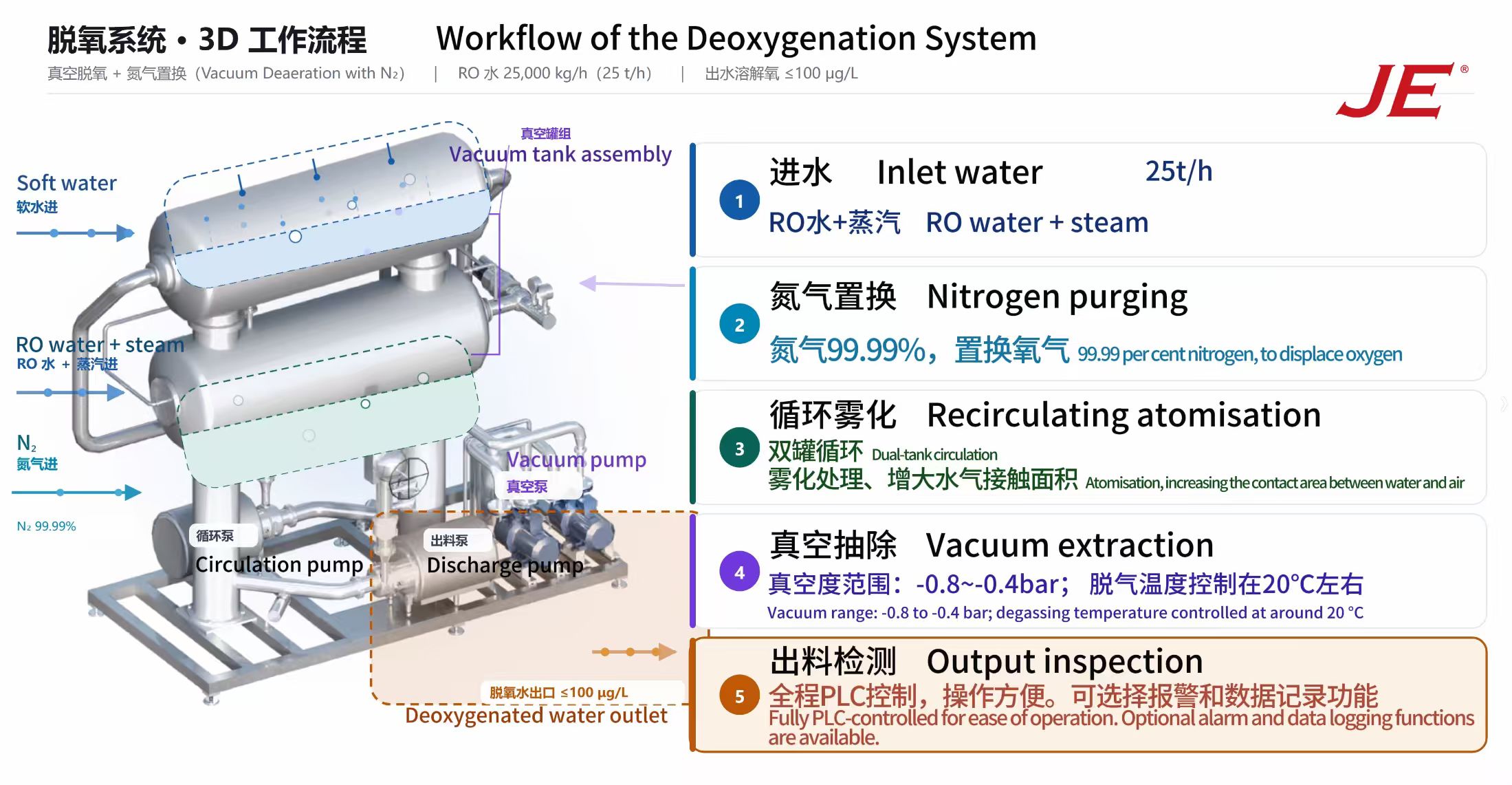
For Chinese beverage and beer companies, the core value of deoxygenation systems lies in three key areas:
Firstly, achieving a ‘clean label’. By reducing or replacing the addition of antioxidants, oxidation is inhibited at a physical level, thereby preserving natural flavours and active ingredients.
Secondly, tapping into the plant-based ‘blue ocean’ market. Plant-based beverages are highly prone to oxidation; deoxygenation systems can help brands resolve issues such as bean-like odours, rancidity, sedimentation and colour deterioration, enabling them to produce higher-quality products with a longer shelf life.
Thirdly, it enhances the ability to produce premium-quality beer. By reducing dissolved oxygen and headspace oxygen, the ‘stale’ flavour in beer is significantly reduced and flavour stability is improved, thereby further unlocking the shelf-life potential of premium and craft beers.

IV. Conclusion
Oxygen presents an invisible barrier to the premiumisation of beverages. Plant-based drinks are highly susceptible to oxidation, whilst the stale flavour associated with beer is difficult to avoid; yet traditional solutions each have their shortcomings. Deoxygenation systems enable companies to proactively control oxygen levels and preserve freshness, and Meiji’s ‘Zhen Hao He’ milk in Japan has already fully demonstrated the commercial value of this approach through its use of deoxygenation.
Beverages and beer represent the primary application areas for deoxygenation systems. Whoever first masters the ability to control oxygen levels and preserve freshness will be best placed to seize the initiative in the next round of competition within the plant-based and premium beer sectors.
References:
‘A Study on the Identification of Deficiency Types of Lipoxygenases in Chinese Soya Bean Resources’
‘A Study on the Analysis of Flavour Characteristics and Regulatory Mechanisms of Lipid Oxidation in Malt’


 +86 13651600783

 Current location:


